

The Role of Skill in Gambling
While luck is a fundamental aspect of gambling, skill plays a critical role that cannot be ignored. Players who approach games like poker or blackjack with a sound strategy often find themselves winning more frequently than those who rely solely on chance. For example, understanding the odds, knowing when to bet, and recognizing the psychological strategies employed by opponents can significantly influence the outcome, especially on casino sites fast withdrawal where quick payouts are essential to maintaining momentum. Such skills can turn the odds in favor of a knowledgeable player, showcasing that mastery over these games is as vital as a lucky hand of cards.
Moreover, in games like sports betting, the ability to analyze statistics and player performance can lead to more informed decisions. A skilled bettor will consider various factors such as team form, injury reports, and even weather conditions that can affect the game outcome. By being informed, a player can navigate the unpredictable nature of sports and increase their chances of placing successful bets. This reinforces the idea that research and strategic thinking contribute to success in gambling, not just the whims of fate.
Additionally, many gambling games have inherent elements of risk management. Skilled players learn how to manage their bankroll effectively, minimizing losses while maximizing potential gains. This aspect of gambling requires a keen understanding of one’s financial limits and the discipline to adhere to them. For instance, knowing when to walk away from the table or how to spread bets across different games can help mitigate the impact of losing streaks. Ultimately, skill enhances a player’s gambling experience and outcomes, making it a crucial part of the equation.
The Impact of Strategy on Game Outcomes
In the realm of gambling, strategy is more than just a holistic approach; it’s a fundamental part of achieving success. Many games, particularly card games, require players to develop a well-thought-out strategy that can adapt based on the situation at hand. A classic example is in poker, where players must evaluate not only their own hands but also predict their opponents’ actions. This evaluation process necessitates a blend of intuition, analytical skills, and strategic foresight, showing that outcomes can often be dictated by a well-executed plan rather than mere luck.
Moreover, each gambling game comes with its own set of strategies that players can employ. In games like roulette, while luck is certainly a factor, understanding the different types of bets and their statistical probabilities can provide an edge. Players who stick to a strategic betting system may not win every time, but over long periods, their chances of coming out ahead increase. This illustrates that, while luck might bring temporary victories, a solid strategy contributes to overall success and sustainability in gambling.

A successful gambling strategy also involves knowing how to adapt to changing circumstances. The ability to read the room, assess opponents, and shift tactics is essential, particularly in competitive environments. For instance, in blackjack, a player might start with a conservative betting approach but switch to a more aggressive strategy if they perceive an advantageous situation. Such adaptability enhances the player’s probability of winning, reinforcing the notion that luck alone is insufficient in determining gambling success.
The Psychological Aspects of Gambling
The psychological component of gambling cannot be overlooked when discussing success and luck. Emotional control is pivotal for gamblers; maintaining composure during wins and losses is essential for making rational decisions. When players let excitement or frustration dictate their actions, they might chase losses or place reckless bets, leading to unfavorable outcomes. This highlights that psychological resilience and self-awareness are crucial elements that influence gambling results, thus demonstrating that luck is only a slice of the larger pie.
Furthermore, gamblers can fall prey to cognitive biases that skew their judgment. For instance, the ‘gambler’s fallacy’ is a common misconception where players believe previous outcomes will affect future results. Recognizing these psychological traps can aid players in making more logical decisions. By understanding their mental patterns and learning about biases, gamblers can better prepare themselves to act in ways that are not just reactive but rather calculated, marking a clear distinction between luck-driven choices and strategic thinking.
Additionally, the social context of gambling plays a role in decision-making processes. Engaging with peers or even observing others can influence an individual’s behavior at the gambling table. Social dynamics can spur competition or collaboration, affecting how players approach their bets. Those who leverage social interactions wisely can foster a supportive environment that encourages strategic thinking, thereby enhancing their overall gambling experience. This interplay between psychology and social factors emphasizes that while luck might affect individual games, mental acuity significantly shapes broader gambling success.
The House Edge: Understanding the Odds
Every gambling establishment operates with a built-in advantage known as the house edge. This concept underscores that while players can occasionally enjoy wins, the odds are statistically designed to favor the house over time. Understanding this edge is crucial for any gambler since it highlights the importance of making informed gambling choices. Knowledgeable players use this understanding to adjust their strategies, betting habits, and game selections based on their risk tolerance and approach to gambling.
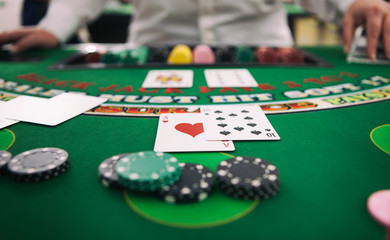
For example, in games like slot machines, the house edge is typically higher compared to table games like poker or blackjack. Players who are aware of these differences can opt for games that provide better odds of winning based on their understanding of the mechanics involved. This strategic selection process illustrates that knowledge and awareness can counterbalance the element of luck, enabling players to make more effective decisions that align with their objectives and expectations.
Moreover, the house edge manifests differently across various games, making it vital for players to familiarize themselves with the rules and odds. Many gamblers fail to take this into consideration, leading to uninformed choices that can detract from their enjoyment and financial well-being. By recognizing how the house edge operates, players can devise strategies that extend their playing time and enhance their chances of winning, effectively showcasing that while luck is a factor, informed decision-making reigns supreme in the realm of gambling.
Exploring Resources for Gamblers
For those looking to delve deeper into the world of gambling, various resources offer insights into mastering the balance between luck and skill. Numerous websites, forums, and books exist to provide players with strategies, tips, and expert opinions on different games. Engaging with these resources can illuminate the complexities of gambling, guiding players towards making smarter choices while enhancing their overall gambling experience. Furthermore, many platforms curate content that demystifies the games, allowing players to familiarize themselves with rules and strategies in a non-pressured environment.
Additionally, many online communities foster discussions about experiences, tactics, and outcomes, enriching the collective knowledge of gambling enthusiasts. By sharing stories and strategies, players can learn not only from their experiences but also from the experiences of others, reinforcing the importance of community in mastering gambling skills. This collaborative approach helps emphasize that while luck can shift in an instant, informed strategies and shared wisdom hold a more lasting impact.
Lastly, responsible gambling resources play a vital role in maintaining a safe and enjoyable gaming environment. These resources educate players about the potential risks associated with gambling, encouraging them to play within their means and seek help if needed. By prioritizing a balanced approach to gaming and utilizing available resources, gamblers can respect the significance of luck while simultaneously honing their skills and strategies, ultimately leading to a more rewarding gambling journey.
