

Exploring the historical evolution of casinos A journey through time
The Origins of Gambling and Early Casinos
The roots of gambling can be traced back thousands of years to ancient civilizations. Archaeological findings reveal that activities resembling gambling existed in places like China and Mesopotamia around 3,000 BC. These early forms included dice games and betting on the outcome of events, laying the groundwork for what would later evolve into organized gambling establishments. Gambling was often associated with religious and cultural practices, demonstrating its integral role in society. Today, visiting a site like lizaro casino reflects how far this practice has come.

By the 16th century, the concept of a casino began to take shape in Italy. The word “casino” derives from the Italian term for a small house, often used for entertainment purposes. Venues like the Ridotto in Venice were among the first to blend the gambling experience with socializing and leisure. These early casinos offered card games and provided a luxurious environment for the elite, reflecting the growing popularity of gambling during the Renaissance era.
As gambling spread through Europe, different countries adopted and adapted the concept of casinos. France became renowned for its extravagant gaming houses, where the nobility gathered to engage in games like roulette and baccarat. This cultural exchange between nations contributed to the rich tapestry of gambling history, with each region adding its distinct flair to the evolution of casinos.
The Rise of Casinos in the 19th Century
The 19th century marked a significant turning point for casinos, especially with the establishment of Monte Carlo in Monaco as a prominent gambling destination. The opening of the Monte Carlo Casino in 1863 transformed the region into a luxurious retreat for the wealthy, combining opulent architecture with high-stakes gaming. The casino’s success prompted other countries to develop their gambling hubs, leading to a boom in casino construction throughout Europe and America.
In the United States, the Gold Rush era catalyzed the expansion of casinos, particularly in cities like San Francisco and New Orleans. Saloon-style gambling establishments proliferated, often offering poker and other card games. The Wild West became synonymous with gambling culture, where fortunes could be made or lost in a single hand. These American casinos created a unique blend of risk and reward that captured the imagination of both locals and travelers.
The 19th century also saw the introduction of gaming regulations. Governments recognized the potential for revenue generation through taxation on gambling operations. Many jurisdictions began to impose rules to ensure fairness, protect players, and combat cheating. This regulatory framework contributed to the legitimacy of casinos, paving the way for their acceptance in society as legitimate forms of entertainment.
The Impact of Legalization and Modernization
The 20th century ushered in a new era for casinos as legalization efforts gained momentum. The Great Depression led to a reevaluation of gambling laws, with many states in the U.S. legalizing casinos as a means of economic recovery. Las Vegas emerged as the gambling capital of the world during this time, with extravagant resorts and casinos attracting millions of visitors. This shift not only transformed the landscape of gambling but also changed perceptions around it, presenting casinos as entertainment destinations rather than mere gambling houses.
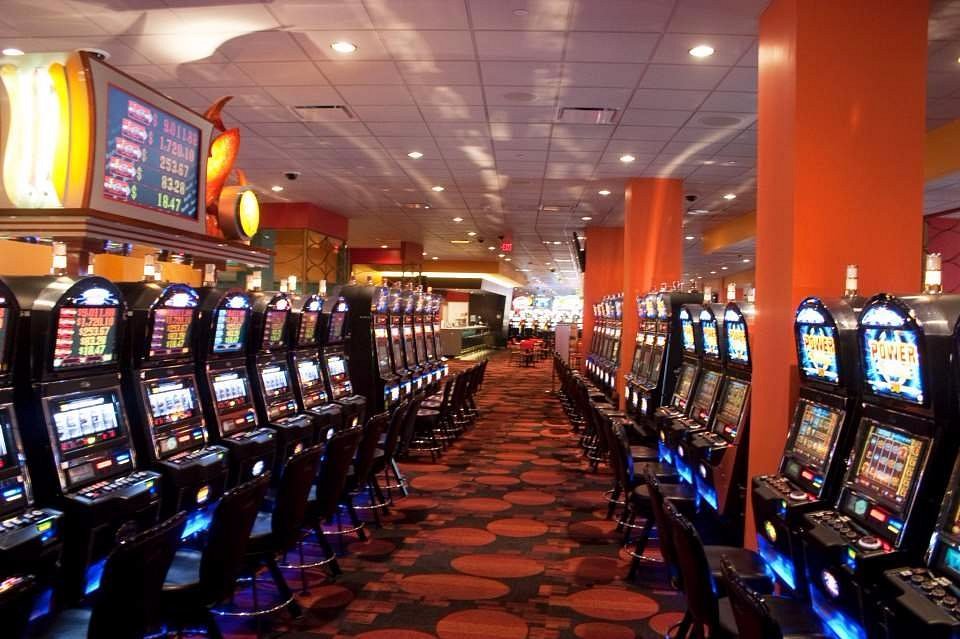
Technological advancements significantly impacted the casino experience. The introduction of slot machines revolutionized gambling by offering players a chance to win without the complexities of card games. Over the years, casinos embraced modern technology, integrating electronic gaming devices and computerized systems to enhance customer experience and streamline operations. This evolution mirrored broader societal changes and the increased demand for diverse gaming options.
As casinos continued to grow in popularity, they expanded their offerings beyond traditional gambling. Entertainment became a focal point, with live shows, dining options, and themed experiences drawing in a broader audience. The integration of these amenities created an all-inclusive experience, positioning casinos as prime destinations for both gaming enthusiasts and casual visitors seeking entertainment.
The Globalization of Casinos and Online Gaming
The late 20th century heralded the globalization of casinos, with countries around the world recognizing the economic benefits of legal gambling. Many nations established regulatory frameworks to attract foreign investment, leading to the emergence of large-scale casino resorts in places like Singapore, Macau, and Australia. This expansion highlighted the appeal of casinos as multifaceted entertainment venues, encompassing luxury accommodations, shopping, and fine dining.
With the advent of the internet, the casino landscape underwent a profound transformation. Online gambling became accessible to a broader audience, allowing players to enjoy their favorite games from the comfort of their homes. The rise of online casinos provided an alternative to traditional venues, featuring innovative games and live dealer experiences. This shift not only appealed to tech-savvy players but also created a more inclusive environment for those who may have felt intimidated by physical casinos.
Regulatory bodies worldwide began to adapt to this new digital landscape, implementing laws to ensure fair play and consumer protection in online gaming. The evolution of casinos has been marked by a constant interplay between tradition and innovation, with modern platforms continuing to evolve to meet the changing preferences of players. This ongoing development speaks to the enduring allure of gambling and the adaptability of the casino industry in the face of technological advancements.
Lizaro Casino: A Modern Gaming Experience
As the casino industry continues to evolve, Lizaro Casino stands out as a premier online gaming destination. Launched in 2025, it offers a comprehensive library of over 10,000 titles, including slots, live tables, and instant games. The platform emphasizes a user-friendly interface, allowing players to navigate seamlessly while enjoying a plethora of gaming options tailored to their preferences. This modern approach reflects the ongoing trends within the gaming industry.
Lizaro Casino prioritizes security and player satisfaction, employing advanced encryption technology to ensure a safe gaming environment. New players are welcomed with generous bonuses, enhancing their gaming experience right from the start. With 24/7 customer support, Lizaro Casino demonstrates a commitment to providing an exceptional gaming experience that caters to the needs of its diverse player base.
In conclusion, the journey through the historical evolution of casinos reveals a dynamic industry that has transformed significantly over time. From ancient rituals to modern online platforms like Lizaro Casino, gambling continues to captivate audiences worldwide. As technology advances and societal attitudes shift, the future of casinos promises to be as exciting and innovative as its past.
